
As summer comes to an end and school routines begin, it’s a good time to make sure your vehicle is ready for daily commutes, school drop-offs, activities, and weekend trips. A quick back-to-school car maintenance check can help identify small problems before they turn into unexpected breakdowns.
At Plantation Tire & Auto in Baton Rouge, LA, we help local drivers keep their vehicles safe, reliable, and ready for the road. Use this checklist to prepare your vehicle for the upcoming school year.
1. Check Your Tires
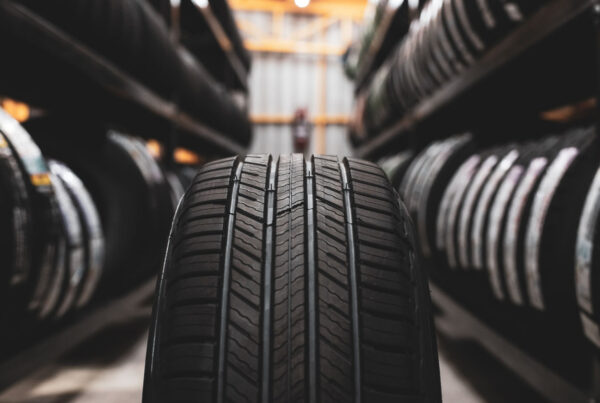
Your tires are one of the most important safety components on your vehicle. Before the school year gets busy, check your tire pressure, tread depth, and overall tire condition.
Look for:
- Low or uneven tire pressure
- Uneven tread wear
- Cracks, bulges, or visible damage
- Objects stuck in the tread
- Tread that is worn close to the replacement point
Properly inflated tires can improve handling, braking, and fuel efficiency. If you’re seeing uneven wear or your vehicle doesn’t feel right on the road, have your tires professionally inspected.
2. Test Your Brakes
School-year driving often means more time spent in traffic, at intersections, and in school pickup and drop-off lines. Make sure your brakes are working properly before the busy season begins.
Have your brakes inspected if you notice:
- Squeaking or grinding
- A soft or spongy brake pedal
- Vibrations when braking
- Your vehicle pulling when you brake
- Longer stopping distances
Addressing brake problems early can help maintain safe stopping performance and prevent more expensive repairs.
3. Check Your Battery
A weak battery can leave you stranded when you least expect it. Before the school year begins, check your battery for signs of corrosion, damage, or poor performance.
If your vehicle is slow to start, the lights dim when starting, or the battery is several years old, consider having the battery and charging system tested.
4. Check Your Lights and Wipers
Good visibility is essential for school commutes, especially during early mornings, evening activities, and rainy weather.
Check your:
- Headlights
- Brake lights
- Turn signals
- Hazard lights
- Reverse lights
- Windshield wipers
Replace worn wiper blades if they leave streaks, skip across the windshield, or struggle to clear water. Make sure all exterior lights are working properly so you can see and be seen.
5. Check Your Fluids
Before the school year starts, check your vehicle’s fluid levels and look for signs of leaks.
Depending on your vehicle, important fluids may include:
- Engine oil
- Coolant
- Brake fluid
- Transmission fluid
- Power steering fluid
- Windshield washer fluid
If you notice a fluid leak or a fluid level that repeatedly drops, have your vehicle inspected to determine the cause.
6. Check the Engine Air Filter and Cabin Air Filter
Your vehicle’s engine air filter helps keep dirt and debris from entering the engine, while the cabin air filter helps filter particles from the air entering the passenger compartment.
A dirty or clogged filter may affect vehicle performance or airflow. During routine maintenance, ask your technician to inspect both filters and replace them when needed.
7. Stay Current on Oil Changes
Regular oil changes are one of the simplest ways to help protect your engine. Before school-year driving increases, check your vehicle’s maintenance schedule to see whether an oil change is due.
Your vehicle may also be due for other routine services based on mileage, time, or manufacturer recommendations.
Keeping up with scheduled maintenance can help prevent avoidable problems and keep your vehicle running reliably throughout the school year.
8. Check Your Alignment and Suspension
If your vehicle pulls to one side, the steering wheel isn’t centered, or your tires are wearing unevenly, your vehicle may have an alignment or suspension problem.
Hitting potholes and curbs can affect alignment and suspension components. Having these systems inspected can help maintain proper handling, reduce premature tire wear, and keep your vehicle driving smoothly.
9. Check Your Emergency Supplies
It’s also a good idea to make sure your vehicle has basic emergency supplies. Consider keeping:
- Jumper cables or a portable jump starter
- Tire pressure gauge
- Flashlight
- Basic first-aid kit
- Emergency blanket
- Phone charger
- Vehicle owner’s manual
If your vehicle has a spare tire, make sure it is properly inflated and that the necessary tools are present.